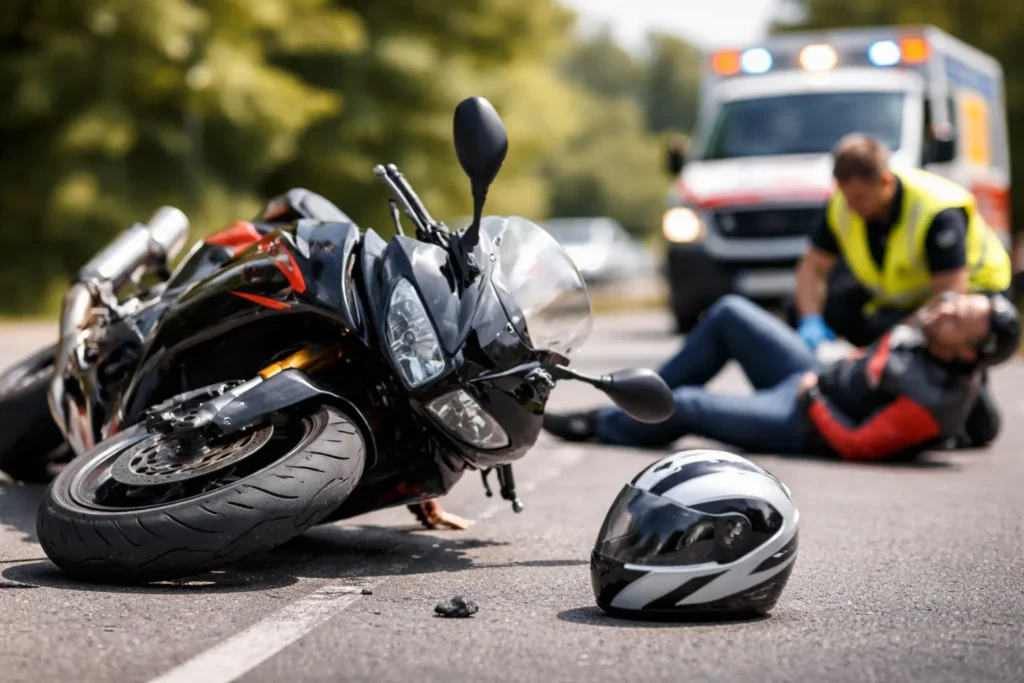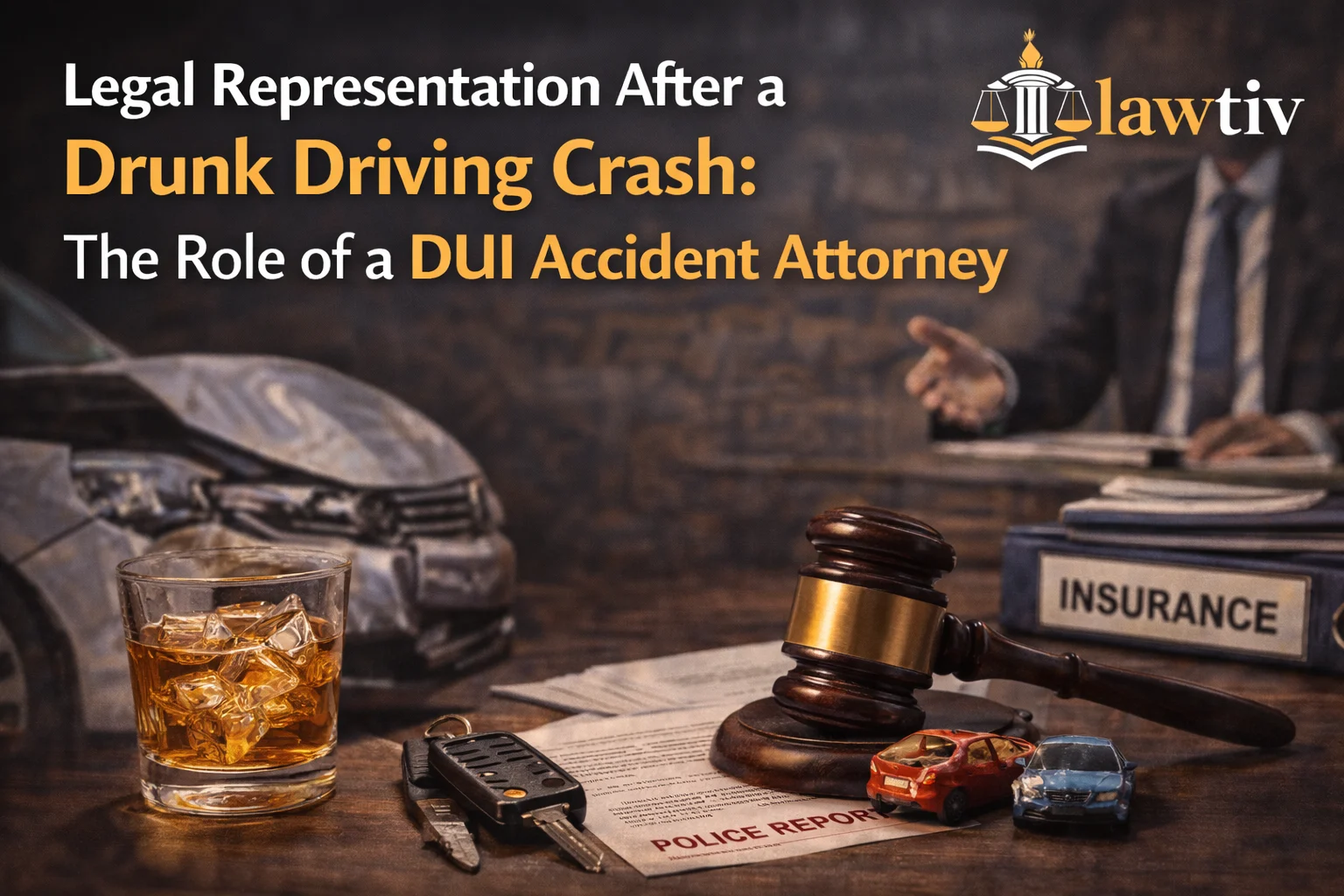
A violent crash caused by an impaired driver can change a life in seconds. Medical bills arrive quickly. Insurance adjusters begin asking questions before injuries even stabilize. Families suddenly face emotional trauma alongside financial pressure.
Alcohol related traffic collisions remain one of the most preventable causes of serious injury and death across the United States. Federal data from the National Highway Traffic Safety Administration continues to show thousands of fatalities each year linked to intoxicated driving. Behind those statistics are individuals whose lives were disrupted by reckless decisions.
Legal action often becomes necessary when drunk driving results in injuries or fatalities. A dui accident attorney represents victims who seek compensation and accountability from the driver responsible. Their work extends far beyond filing paperwork. Skilled attorneys investigate evidence, coordinate expert testimony, negotiate with insurers, and present claims that reflect the full extent of harm suffered.
The legal path following a drunk driving collision involves criminal law, civil liability, insurance policy interpretation, and sometimes corporate negligence if alcohol was overserved by a business. Experienced legal counsel helps victims navigate that complex terrain while focusing on recovery.
The Legal Landscape of Drunk Driving Accidents in the United States
Driving under the influence laws exist in every state, though enforcement procedures and penalties vary. Criminal charges typically begin when law enforcement determines a driver’s blood alcohol concentration exceeded the legal limit of 0.08 percent or when impairment is evident through field sobriety testing.
Criminal prosecution addresses public safety and punishment. Civil litigation serves a different purpose. Injury victims pursue financial recovery for losses such as hospital treatment, rehabilitation, lost wages, and emotional suffering. A dui accident attorney operates within this civil system, representing the injured party rather than the state.
Civil liability for drunk driving crashes is usually straightforward because intoxication strongly supports negligence. Evidence that a driver chose to operate a vehicle while impaired establishes a breach of duty toward other motorists and pedestrians. That breach forms the foundation of a personal injury claim.
The situation becomes more complicated when multiple parties share responsibility. Bars, restaurants, nightclubs, or social hosts may face liability if they knowingly served alcohol to someone who was visibly intoxicated and later caused a crash. Certain states apply dram shop laws that allow victims to pursue damages from these establishments.
DUI Criminal Charges vs Civil Injury Claims
A criminal DUI charge focuses on punishment and deterrence. Penalties can include jail time, fines, license suspension, probation, and mandatory alcohol treatment programs. The state prosecutes these cases through district attorneys or state prosecutors.
Civil claims pursue financial compensation for harm caused by the intoxicated driver. Victims file lawsuits seeking damages for medical expenses, long term disability, lost earning potential, pain, emotional trauma, and property loss.
Both cases may run at the same time but follow separate legal tracks. A criminal conviction can strengthen a civil case because it demonstrates reckless behavior. Even without a conviction, civil liability may still exist because the burden of proof differs between criminal and civil courts.
The Impact of Blood Alcohol Evidence
Chemical testing often plays a central role in drunk driving litigation. Breathalyzer devices, blood tests, and toxicology reports provide scientific data that reveals the level of intoxication. Courts rely heavily on these results when determining impairment.
An experienced dui accident attorney reviews the circumstances surrounding these tests. Timing of the test, equipment calibration, officer procedure, and chain of custody all influence how evidence is interpreted. A detailed examination ensures the evidence supports the victim’s claim.
Alcohol impairment also affects reaction time, judgment, and motor control. Accident reconstruction experts frequently testify about how intoxication contributed to the collision. These analyses help juries visualize how impairment led directly to the crash.
Why Victims Seek a DUI Accident Attorney After a Crash
Victims often feel overwhelmed during the weeks following a serious collision. Physical recovery becomes the primary focus. Insurance companies and legal deadlines continue to move forward at the same time.
Insurance carriers often attempt to minimize payouts even in cases involving intoxicated drivers. Adjusters may question injury severity or attempt to shift partial blame toward the victim. A dui accident attorney acts as a protective barrier between victims and aggressive insurance tactics.
Legal representation also brings investigative resources that individual victims rarely possess. Attorneys gather police reports, toxicology results, traffic camera footage, medical documentation, and witness testimony. These pieces form the narrative that proves liability and damages.
Experienced attorneys recognize patterns that reveal deeper negligence. For example, a driver leaving a bar after consuming excessive alcohol may indicate potential dram shop liability. Identifying every responsible party expands the scope of compensation available.
Emotional and Financial Consequences of DUI Collisions
The aftermath of a drunk driving crash extends far beyond vehicle damage. Victims may face surgeries, months of physical therapy, chronic pain, or permanent disability. Families often experience financial instability if the injured person cannot return to work.
Emotional trauma can linger long after physical wounds heal. Many victims report anxiety around driving, sleep disruption, and persistent fear associated with the crash. These psychological injuries represent legitimate damages recognized within personal injury law.
Attorneys often collaborate with medical experts, rehabilitation specialists, and economic analysts to calculate the full financial impact of injuries. Accurate damage calculations ensure settlement negotiations reflect real long term consequences rather than short term expenses.
Negotiating with Insurance Companies
Insurance adjusters approach claims with a clear objective: resolve cases for the lowest possible amount. Initial settlement offers frequently underestimate the lifetime cost of serious injuries.
Attorneys counter this strategy by presenting detailed evidence supporting higher compensation. Medical records, expert opinions, and accident reconstructions demonstrate the severity of harm caused by the intoxicated driver.
Negotiations may last months depending on injury recovery timelines and insurance policy limits. Strong legal representation shifts leverage toward the victim by demonstrating readiness to pursue trial if settlement discussions fail.
Investigating Liability in Alcohol Related Collisions
Every drunk driving crash investigation begins with evidence. Police reports often provide the first layer of information, documenting field sobriety tests, witness statements, and officer observations at the scene.
A dui accident attorney expands this investigation through independent analysis. Surveillance footage from nearby businesses, traffic cameras, or residential security systems may reveal how the collision occurred. These recordings frequently confirm reckless driving behavior before impact.
Witness accounts play another important role. Bystanders who observed erratic driving patterns can describe swerving, sudden braking, or high speed behavior that supports claims of impairment.
Accident Reconstruction and Expert Analysis
Complex crashes sometimes require scientific reconstruction. Specialists analyze vehicle damage, skid marks, road conditions, and digital vehicle data to recreate the sequence of events leading to impact.
Modern vehicles store information through event data recorders that capture speed, braking activity, and steering input seconds before a crash. This digital evidence can confirm the driver’s inability to react due to intoxication.
Expert witnesses translate these findings into clear explanations for judges and juries. Their testimony helps demonstrate how alcohol impairment directly caused the collision.
Dram Shop and Third Party Liability
Certain alcohol related crashes involve businesses that served alcohol irresponsibly. Many states enforce dram shop statutes that allow victims to pursue claims against bars or restaurants that overserve visibly intoxicated patrons.
Evidence may include credit card receipts, bar surveillance footage, bartender testimony, or witness statements describing the driver’s behavior before leaving the establishment.
These cases require careful legal strategy because proving overservice involves demonstrating that employees ignored obvious signs of intoxication. When successful, these claims expand the financial resources available to compensate victims.
Compensation Available in Drunk Driving Injury Cases
Financial recovery in DUI accident claims reflects the wide range of harm victims experience. Medical treatment often represents the most immediate expense following a serious crash.
Emergency care, surgical procedures, rehabilitation therapy, and prescription medication can generate overwhelming costs. Long term injuries may require ongoing medical supervision or adaptive equipment.
Lost income represents another major category of damages. Victims who cannot return to work may lose months or years of earning capacity. Economic experts calculate these losses by examining career history, age, and future employment prospects.
Pain and suffering damages recognize the physical discomfort and emotional distress caused by injuries. Courts consider the severity of trauma, duration of recovery, and long term quality of life changes when evaluating these claims.
Property damage compensation addresses vehicle repair or replacement. Additional losses may include transportation expenses while a vehicle remains unusable.
| Damage Category | Description | Potential Impact |
|---|---|---|
| Medical Expenses | Hospital care, surgery, therapy, medication | Can exceed hundreds of thousands in severe injuries |
| Lost Wages | Income lost during recovery | Financial instability for families |
| Reduced Earning Capacity | Long term work limitations | Career disruption and future income loss |
| Pain and Suffering | Physical and emotional trauma | Significant factor in settlement value |
| Property Damage | Vehicle repair or replacement | Immediate financial burden |
Selecting the Right DUI Accident Attorney in the United States
Legal representation can influence the outcome of a personal injury case. Experience with alcohol related crash litigation matters because these cases often involve both criminal and civil evidence.
Victims frequently seek attorneys who maintain a history of trial advocacy. Insurance companies monitor which lawyers consistently pursue courtroom litigation. Firms with strong trial reputations often secure stronger settlements.
Communication also plays a central role in the attorney client relationship. Injured individuals benefit from clear explanations of legal strategy, case progress, and potential outcomes. Transparent communication builds trust during an already stressful period.
Professional organizations such as the American Association for Justice or state trial lawyer associations often provide indicators of professional involvement within the legal community.
Example of a U.S. DUI Accident Attorney Contact
Victims seeking legal guidance may contact a qualified attorney such as:
Michael D. Waks
The Waks Law Firm
355 South Grand Avenue, Suite 2450
Los Angeles, CA 90071
Phone: (213) 747-1922
Law firms like this focus on serious injury claims involving negligent or intoxicated drivers. Initial consultations often allow victims to discuss accident details and evaluate legal options before proceeding with litigation.
Contingency Fee Representation
Personal injury lawyers frequently operate under contingency fee agreements. Clients pay no upfront legal fees. The attorney receives payment only if compensation is recovered through settlement or court judgment.
This structure allows injury victims to pursue justice without immediate financial strain. It also aligns the attorney’s incentive with the client’s outcome because compensation depends on successful case resolution.
Contingency arrangements typically cover legal research, investigation costs, expert witness fees, and court filing expenses during the litigation process.
Long Term Consequences of Drunk Driving Crashes
Physical injuries caused by impaired driving often produce lasting health effects. Traumatic brain injuries, spinal cord damage, and internal organ trauma can alter daily life permanently.
Rehabilitation may continue for years depending on injury severity. Some victims require assistive devices or modifications to their homes and vehicles to maintain independence.
Psychological consequences frequently emerge alongside physical injuries. Survivors of severe collisions report post traumatic stress symptoms, anxiety around traffic, and persistent emotional distress connected to the crash.
Families also experience secondary impacts. Caregivers may reduce work hours or leave employment entirely to assist injured relatives. Household financial stability can shift dramatically during extended recovery periods.
Legal compensation cannot erase trauma. Financial recovery does help families access medical treatment, maintain stability, and rebuild life after a devastating event.
The Broader Public Safety Context of DUI Litigation
Civil lawsuits against intoxicated drivers serve another purpose beyond compensation. They reinforce social accountability for dangerous behavior.
Drunk driving enforcement has evolved through decades of advocacy by organizations such as Mothers Against Drunk Driving. Public awareness campaigns, stricter penalties, and technological tools like ignition interlock devices reflect the ongoing effort to reduce alcohol related crashes.
Civil litigation supports this effort by holding negligent drivers financially responsible for the harm they cause. Large verdicts and settlements send a clear signal that impaired driving carries serious consequences.
Legal accountability also encourages bars and restaurants to train employees on responsible alcohol service. Businesses become more cautious when they understand the legal exposure associated with overserving intoxicated patrons.
Frequently Asked Questions
What does a dui accident attorney actually do for injury victims?
A dui accident attorney investigates the circumstances of a drunk driving crash, gathers evidence, negotiates with insurance companies, and represents victims in civil court. The attorney builds a case that demonstrates liability and quantifies damages related to medical treatment, lost income, and emotional trauma.
Can a victim still file a lawsuit if the drunk driver was not convicted?
Yes. Civil liability operates independently from criminal proceedings. A personal injury claim may proceed even if the driver avoids criminal conviction because civil courts apply a lower standard of proof.
How long does a drunk driving injury lawsuit usually take?
Case timelines vary depending on injury severity, insurance negotiations, and court schedules. Some claims resolve through settlement within months. Complex cases involving catastrophic injuries may continue for one or two years before resolution.
Are punitive damages available in DUI crash lawsuits?
Punitive damages sometimes apply when the defendant’s behavior demonstrates reckless disregard for safety. Driving while intoxicated frequently meets this standard because the driver knowingly created a dangerous situation.
What evidence strengthens a drunk driving injury case?
Police reports, toxicology results, witness testimony, accident reconstruction analysis, and medical documentation form the foundation of most cases. Surveillance footage and digital vehicle data may also support the claim.
How much compensation can a DUI crash victim receive?
Compensation varies widely based on injury severity, long term disability, insurance policy limits, and liability factors. Severe injury cases involving permanent impairment often produce significantly higher settlements or verdicts.
Closing Perspective on Legal Action After a DUI Crash
Drunk driving collisions represent one of the most preventable forms of roadway harm. Victims who pursue legal action often seek more than financial compensation. They seek acknowledgment that reckless behavior carries consequences.
A dui accident attorney stands at the intersection of law, medicine, and public safety. Their work ensures victims receive fair compensation while reinforcing accountability for impaired driving. Through careful investigation and determined advocacy, attorneys help individuals rebuild stability after devastating collisions while contributing to a broader culture of road safety across the United States.