

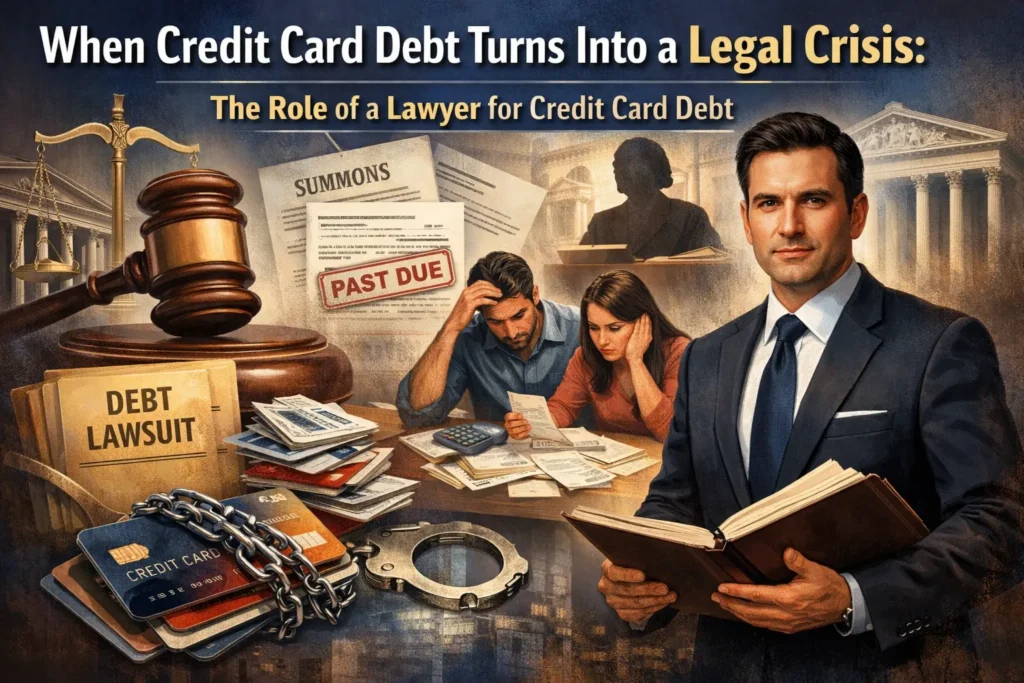
Mounting credit card balances often begin quietly. A few missed payments, rising interest, and late fees can gradually transform manageable debt into a serious financial threat. Many Americans only realize the severity of the situation once collection agencies begin calling or a lawsuit arrives in the mail.
At that moment, the stress becomes more than financial. Wage garnishment, damaged credit reports, and court judgments can disrupt everyday life. Families worry about protecting their income, their bank accounts, and even their homes. Legal pressure from creditors often leaves individuals feeling trapped between aggressive collection tactics and confusing legal paperwork.
A lawyer for credit card debt enters the picture at this stage as a strategic advocate. Debt attorneys analyze the validity of creditor claims, negotiate settlements, and defend consumers in court when necessary. Their role extends beyond paperwork. They act as a shield between consumers and aggressive collection systems, ensuring legal protections are enforced and financial recovery remains possible.
The Growing Legal Risks Behind Credit Card Debt in the United States
Credit card debt across the United States continues to climb into record territory. Millions of consumers rely on revolving credit to manage everyday expenses, medical bills, and emergency costs. When balances increase faster than repayment capacity, lenders eventually turn to legal channels to recover the money.
Creditors frequently sell delinquent accounts to third party debt buyers. These companies purchase accounts for a fraction of the balance and then attempt to collect the full amount. Many lawsuits filed in state courts come from these debt buyers rather than the original credit card company.
Legal action becomes common once accounts remain unpaid for several months. Collection agencies file lawsuits seeking court judgments that allow wage garnishment, bank account levies, and property liens. Consumers who ignore these lawsuits often face automatic judgments because courts assume the creditor’s claim is uncontested.
Attorneys who handle credit card debt cases examine the legal foundation behind these claims. Debt buyers sometimes lack proper documentation proving the debt exists or proving they legally own the account. When challenged by a skilled lawyer, many claims weaken significantly.
When Hiring a Credit Card Debt Attorney Becomes Critical
Many people attempt to negotiate with collectors independently before seeking legal help. That approach can work in early stages, especially when creditors remain open to payment plans. Once the account moves into litigation or aggressive collection, legal representation often becomes necessary.
A credit card debt lawyer becomes particularly valuable when a consumer receives court documents. Lawsuits related to unpaid credit card balances move quickly through local court systems. Missing deadlines or filing incorrect responses may allow creditors to win default judgments.
Another situation requiring legal support involves harassment from collection agencies. Federal law under the Fair Debt Collection Practices Act places strict limits on how collectors may contact consumers. Persistent calls, threats, and misleading claims frequently violate these protections.
Attorneys can also intervene when settlement negotiations stall. Creditors sometimes refuse reasonable offers from consumers who negotiate alone. The presence of legal representation signals that the consumer understands their rights and expects fair treatment under the law.
How a Lawyer for Credit Card Debt Defends Consumers
Debt attorneys approach each case with a detailed legal strategy rather than emotional negotiations. Their goal centers on evaluating the legal strength of the creditor’s claim while protecting the client’s financial stability.
Investigating the Creditor’s Legal Claim
Credit card lawsuits rely heavily on documentation. The creditor must prove the consumer opened the account, incurred the charges, and owes the stated balance. Many debt buyers rely on incomplete digital records rather than full account histories.
A lawyer reviews original credit agreements, transaction records, assignment contracts, and account statements. Any gaps in documentation can weaken the creditor’s claim. Courts often dismiss cases where proper proof of ownership or accurate balance calculations cannot be established.
Consumers frequently discover that old debts contain inflated balances due to compounding interest and collection fees. Attorneys carefully audit these calculations and challenge any improper charges.
Negotiating Settlements with Credit Card Companies
Negotiation remains one of the most common outcomes in credit card debt disputes. Creditors often prefer settlements rather than prolonged litigation, especially when the consumer has legal representation.
Lawyers negotiate reduced payoff amounts based on the consumer’s financial condition. Settlements sometimes reduce the balance significantly because creditors recognize the uncertainty of litigation outcomes.
Structured payment settlements also occur. Instead of demanding a lump sum, creditors may accept smaller monthly payments arranged through legal negotiation. Attorneys ensure the agreement includes clear terms that prevent future collection attempts once the settlement completes.
Defending Credit Card Debt Lawsuits in Court
When negotiations fail, debt attorneys represent clients directly in court. They file formal responses to lawsuits, challenge creditor evidence, and raise legal defenses.
Common defenses include expired statutes of limitation, incorrect account ownership, identity theft claims, and inaccurate balance calculations. Judges require creditors to provide credible documentation supporting their case.
Court defense also delays collection efforts. Creditors must follow proper procedures and meet evidentiary requirements before a judge grants any judgment. Legal representation shifts the balance of power by forcing creditors to prove their claims thoroughly.
Legal Protections Available to Consumers Facing Debt Collection
Federal and state laws regulate how creditors and collection agencies pursue unpaid debts. Many consumers remain unaware of these protections until an attorney explains their rights.
The Fair Debt Collection Practices Act serves as a major safeguard for consumers dealing with third party collectors. The law restricts harassment, deceptive tactics, and abusive communication methods. Collectors cannot threaten arrest, misrepresent legal authority, or contact consumers repeatedly at inconvenient hours.
The statute of limitations also plays a significant role in credit card debt litigation. Each state sets time limits determining how long creditors may file lawsuits. Once the deadline expires, the debt becomes legally unenforceable through court action.
Credit reporting laws offer additional protection. Credit bureaus must maintain accurate records of consumer debts. Attorneys sometimes challenge incorrect credit reports when debts appear after settlement or when balances contain errors.
These legal protections gain real strength only when someone asserts them. Credit card debt lawyers use these laws as tools to challenge improper collection practices and defend consumers effectively.
Financial Outcomes Consumers Can Expect from Legal Representation
Debt litigation does not always produce identical outcomes. Each case depends on the documentation available, the age of the debt, and the financial condition of the consumer.
Some cases end with full dismissal when creditors fail to prove their claim. Others conclude with negotiated settlements that significantly reduce the balance owed. In many situations, legal representation prevents harsh collection measures such as wage garnishment.
The financial relief extends beyond immediate settlements. Legal guidance also helps consumers avoid mistakes that damage their credit further. Attorneys frequently advise clients about rebuilding financial stability after resolving debt disputes.
The emotional impact also deserves attention. Many clients report significant relief once legal representation takes over communication with collectors. That shift allows individuals to focus on stabilizing their finances rather than dealing with daily collection pressure.
Practical Comparison of Credit Card Debt Legal Options
| Legal Option | Typical Situation | Possible Outcome |
|---|---|---|
| Debt Settlement Negotiation | Account in collections but no lawsuit filed | Reduced balance agreement |
| Lawsuit Defense | Creditor filed court claim for unpaid balance | Case dismissal or negotiated settlement |
| Bankruptcy Consultation | Debt exceeds repayment capacity | Structured debt discharge or repayment plan |
| Credit Reporting Dispute | Incorrect or inflated debt on credit report | Correction or removal from credit file |
Each path involves different legal strategies. A lawyer evaluates the consumer’s financial picture before recommending the most realistic course of action.
The Hidden Mistakes Consumers Make When Facing Debt Lawsuits
Many credit card debt cases escalate because consumers misunderstand the legal process. Ignoring court paperwork remains the most common mistake. Courts interpret silence as acceptance of the creditor’s claims.
Another common problem involves admitting liability during collection calls. Consumers often agree verbally that the debt belongs to them before verifying the documentation. Those statements may later appear in court filings.
Partial payments can also create legal complications. Making a small payment sometimes restarts the statute of limitations, allowing creditors additional time to sue.
Attorneys help consumers avoid these traps by controlling communication with collectors and reviewing legal deadlines carefully. Their involvement ensures each decision aligns with a long term financial recovery strategy rather than short term pressure.
Financial Recovery After Resolving Credit Card Debt
Resolving credit card debt through legal channels marks only the beginning of financial rebuilding. Credit scores may take time to recover after collections or settlements appear on credit reports.
Financial counselors and attorneys often recommend structured budgeting plans once debts resolve. Reducing reliance on revolving credit becomes essential for long term stability.
Consumers frequently explore secured credit cards or small installment loans to rebuild positive payment history. Responsible credit use gradually improves credit scores and restores financial credibility.
The experience of resolving debt through legal support also provides valuable lessons about financial management. Many individuals emerge with stronger financial awareness and clearer boundaries regarding credit usage.
Frequently Asked Questions
Can a lawyer actually eliminate my credit card debt?
Attorneys cannot erase legitimate debt simply by challenging it. What they can do is examine whether the creditor can legally prove the debt exists and whether the amount claimed is accurate. When documentation fails or legal deadlines have expired, courts sometimes dismiss the claim entirely. In other situations, attorneys negotiate settlements that reduce the total balance significantly.
What happens if I ignore a credit card debt lawsuit?
Ignoring a lawsuit usually leads to a default judgment in favor of the creditor. Once the court enters that judgment, the creditor gains legal authority to pursue collection tools such as wage garnishment or bank account levies depending on state law. Legal representation ensures the claim receives proper scrutiny rather than automatic approval.
How much does a credit card debt lawyer cost in the United States?
Legal fees vary widely depending on the complexity of the case and whether litigation occurs. Some attorneys charge flat fees for negotiation services, while others bill hourly when court appearances become necessary. Many offer initial consultations to evaluate whether the case justifies legal representation.
Can credit card companies garnish wages without a lawyer being involved?
Credit card companies cannot garnish wages immediately after missed payments. They must first file a lawsuit and obtain a court judgment. Once the judgment exists, state law determines whether wage garnishment becomes available. Legal defense during the lawsuit stage may prevent that judgment entirely.
Is bankruptcy better than hiring a debt lawyer for credit card debt?
Bankruptcy and debt defense serve different purposes. Bankruptcy addresses overwhelming debt across multiple accounts, often providing structured repayment plans or discharge of eligible debts. Credit card debt attorneys focus on challenging specific creditor claims or negotiating settlements. The best approach depends on the individual’s financial situation.
Can old credit card debt still lead to a lawsuit?
Old debt can lead to lawsuits until the statute of limitations expires. Each state sets its own timeline for credit card debt claims. Once that period passes, creditors lose the legal right to sue for collection. Attorneys review the age of the debt carefully because expired claims frequently appear in collection lawsuits.
Closing Perspective on Legal Help for Credit Card Debt
Credit card debt rarely begins as a legal problem. It evolves gradually as interest accumulates, payments fall behind, and creditors escalate collection efforts. The turning point often arrives when a lawsuit threatens wages, savings, or financial stability.
A lawyer for credit card debt provides more than legal paperwork. They challenge questionable claims, negotiate practical settlements, and defend consumers against aggressive collection tactics. Their presence transforms an overwhelming situation into a structured legal process where rights and evidence matter.
Consumers facing mounting credit card debt should view legal guidance as a strategic safeguard rather than a last resort. With proper representation, financial recovery becomes possible even when the pressure from creditors feels relentless.
