

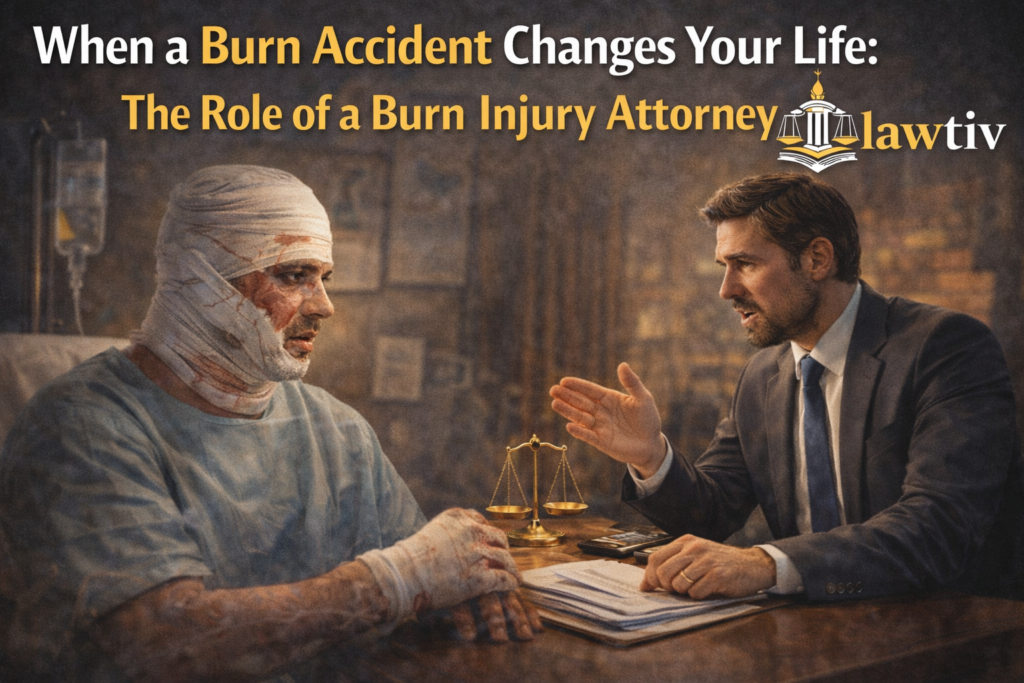
Few injuries carry the long-term impact of severe burns. Beyond the initial trauma, survivors often face months of hospitalization, reconstructive surgery, rehabilitation, and lasting emotional distress. Families quickly discover that burn injuries reshape daily life, employment, finances, and personal relationships.
Medical care for serious burns ranks among the most expensive treatments in the American healthcare system. Specialized burn centers, skin graft surgeries, infection management, and extended therapy frequently push medical bills into hundreds of thousands of dollars. Insurance coverage often falls short, leaving victims overwhelmed by financial pressure at the same time they are struggling to heal.
A burn injury attorney focuses on holding negligent individuals, companies, or property owners accountable when their actions cause devastating injuries. These legal professionals examine accident evidence, collaborate with medical specialists, and pursue financial recovery that reflects the true lifetime cost of severe burns. Their work becomes a lifeline for individuals navigating a complex legal and medical journey.
Burn injury litigation demands legal insight and practical experience. Attorneys handling these claims must interpret medical documentation, evaluate liability, and calculate damages tied to permanent disfigurement, loss of income, and psychological harm. Without that level of legal advocacy, many victims receive settlements that fail to address the full scope of their losses.
Burn Injury Law and the Complex Nature of Burn Accident Claims
Burn injuries fall within the broader category of personal injury law, though these cases often involve far greater complexity. Unlike minor accident injuries, burn trauma frequently results in permanent disability or disfigurement. Courts recognize that these cases require careful evaluation of both immediate medical costs and future consequences.
Liability varies widely depending on how the burn occurred. Residential fires, workplace explosions, defective appliances, chemical exposure, restaurant accidents, electrical failures, and vehicle collisions may all produce catastrophic burns. Each situation introduces different legal responsibilities under state and federal law.
Attorneys must reconstruct the incident to determine how negligence contributed to the injury. Fire investigations, building code violations, electrical system failures, or manufacturing defects may all play a role. A detailed investigation ensures that every responsible party is identified before a legal claim moves forward.
American civil courts allow injured individuals to seek compensation when another party’s negligence causes harm. Burn injury attorneys build cases demonstrating that a responsible party failed to maintain safe conditions, ignored safety standards, or distributed a defective product. These claims often involve extensive documentation and expert testimony.
Legal Responsibility in Burn Injury Cases
Responsibility in burn injury litigation typically revolves around negligence. Property owners have a duty to maintain safe environments. Employers must follow workplace safety regulations. Manufacturers must design products that do not expose consumers to unreasonable risk.
Evidence often determines how liability unfolds. Fire marshal reports, building inspection records, surveillance footage, and maintenance logs can reveal dangerous conditions that contributed to a burn accident. Attorneys use these materials to establish accountability.
Expert witnesses frequently play a major role. Fire investigators analyze ignition sources. Medical professionals explain injury severity and long-term treatment needs. Economic specialists calculate future financial losses tied to disability or reduced earning capacity.
Courts evaluate these elements to determine whether compensation should be awarded. The stronger the connection between negligence and injury, the more compelling the claim becomes.
Types of Burn Injuries Frequently Seen in Legal Claims
Burn injuries vary dramatically in severity and cause. Some victims suffer localized burns requiring outpatient treatment. Others experience life threatening trauma affecting large portions of the body. Legal claims often arise in cases where negligence contributed to serious or permanent harm.
Thermal burns represent the most common category. Fires, explosions, boiling liquids, and contact with heated surfaces frequently cause these injuries. Residential fires, commercial kitchen accidents, and industrial incidents regularly produce thermal burn claims.
Chemical burns occur when corrosive substances damage skin or internal tissue. Industrial workplaces, laboratories, cleaning chemicals, and transportation accidents can expose individuals to dangerous compounds. These injuries often continue damaging tissue until the chemical is neutralized.
Electrical burns develop when electrical current travels through the body. These injuries often appear minor on the surface while causing severe internal damage to muscles and organs. Construction sites and utility work environments see these injuries more often than other industries.
Radiation burns, though less common, may arise from medical treatment errors or exposure to hazardous materials. Attorneys handling these cases often consult specialists who understand radiation injuries and regulatory safety standards.
Degrees of Burn Injuries and Medical Implications
Medical classification of burns typically falls into several categories that reflect tissue damage depth. These classifications help attorneys and medical professionals explain the seriousness of an injury within legal proceedings.
First degree burns affect the outer skin layer and usually heal without permanent scarring. These injuries rarely lead to litigation unless negligence resulted in significant complications.
Second degree burns penetrate deeper layers of skin and often require medical treatment to prevent infection or scarring. Victims may require weeks of recovery and follow up care.
Third degree burns destroy multiple skin layers and often damage nerves. Skin graft surgeries and long hospital stays commonly follow these injuries. Permanent scarring and loss of sensation frequently occur.
Fourth degree burns extend beyond skin tissue and may damage muscles or bone. These catastrophic injuries sometimes require amputation or lifelong medical care.
Burn injury attorneys rely on medical specialists to explain how these injuries affect daily function, employment potential, and psychological well being.
The Financial Reality of Severe Burn Injuries in the United States
The financial consequences of serious burns often extend far beyond emergency medical treatment. Many victims require treatment at specialized burn centers, which provide advanced wound care, infection control, reconstructive surgery, and rehabilitation services.
Initial hospitalization for severe burns may last weeks or months. Patients often undergo multiple surgical procedures including skin grafts and tissue reconstruction. Intensive care units, pain management programs, and infection monitoring contribute to staggering medical costs.
Long term care becomes another financial challenge. Survivors frequently require physical therapy to restore movement, occupational therapy to relearn everyday tasks, and psychological counseling to address trauma and body image issues.
Employment disruptions create additional hardship. Workers may lose income during recovery or face permanent disability that limits their ability to return to previous careers. Burn injury attorneys examine these financial consequences when calculating compensation claims.
Compensation Categories in Burn Injury Lawsuits
American civil law recognizes several types of damages in personal injury claims. Burn injury cases often involve multiple categories due to the extensive harm victims experience.
Medical expenses represent the most immediate form of compensation. These damages include emergency treatment, hospitalization, surgeries, medication, rehabilitation, and anticipated future care.
Lost wages reflect the income victims miss during recovery. If injuries prevent a return to previous employment, attorneys may pursue compensation for diminished earning capacity.
Pain and suffering damages address physical pain and emotional distress caused by severe injuries. Courts recognize that disfigurement, scarring, and trauma carry profound personal consequences.
Punitive damages may apply in rare situations where reckless or intentional behavior contributed to the injury. Courts use these damages to discourage extreme negligence or corporate misconduct.
Situations Where a Burn Injury Attorney Becomes Critical
Burn injury claims arise from many different circumstances. Identifying legal responsibility requires investigation and familiarity with multiple areas of law including premises liability, product liability, workplace safety regulations, and transportation law.
Residential fire cases sometimes involve negligent landlords who ignored fire safety codes or failed to maintain smoke detectors. Faulty wiring, blocked exits, or malfunctioning fire suppression systems may create dangerous living conditions.
Workplace burn injuries frequently occur in construction, manufacturing, chemical processing, and food service industries. Employers must comply with Occupational Safety and Health Administration standards designed to protect workers from hazardous conditions.
Defective products also lead to burn injury litigation. Malfunctioning appliances, unsafe lithium batteries, defective heating equipment, or poorly designed consumer products may cause fires or explosions.
Vehicle accidents represent another source of burn injuries. Fuel system failures, vehicle fires, or hazardous cargo incidents sometimes cause severe burns following a crash.
Investigating Burn Accidents and Establishing Liability
Thorough investigation forms the backbone of a strong burn injury claim. Attorneys work with specialists who analyze accident scenes and determine how the fire or burn occurred.
Fire investigators evaluate ignition sources, burn patterns, and structural damage. Their analysis often identifies electrical failures, gas leaks, or mechanical malfunctions responsible for the incident.
Engineers may examine appliances or machinery to determine whether design flaws contributed to the accident. Product liability claims often depend on demonstrating that a manufacturer released a dangerous product into the market.
Medical documentation also plays a major role. Burn surgeons, trauma specialists, and rehabilitation professionals provide detailed reports explaining the severity of injuries and projected long term care needs.
Each piece of evidence helps construct a timeline of events leading to the injury. That narrative becomes essential when presenting the case to insurers, judges, or juries.
How Burn Injury Attorneys Build Strong Legal Cases
Experienced attorneys approach burn injury claims with a structured legal strategy. The process often begins with a detailed consultation where victims describe the circumstances surrounding their injury and the challenges they face afterward.
Lawyers review medical records, accident reports, and insurance policies to identify potential legal claims. They often consult medical professionals early in the process to understand the long term impact of the injury.
Evidence collection continues through interviews, expert analysis, and document review. Witness statements may clarify what occurred before or during the accident. Surveillance footage or maintenance records sometimes reveal negligence that would otherwise remain hidden.
Negotiations with insurance companies follow once evidence supports the claim. Insurance adjusters frequently attempt to minimize payouts by disputing liability or underestimating injury severity. Burn injury attorneys push back against these tactics by presenting documented proof of damages.
Litigation Strategy and Courtroom Advocacy
Many burn injury cases resolve through negotiated settlements. Litigation becomes necessary when insurers refuse to offer fair compensation. Attorneys then prepare for trial by organizing expert testimony, medical records, and accident reconstruction analysis.
Courtroom proceedings allow both sides to present evidence. Attorneys representing burn victims explain the chain of negligence that led to the injury. Medical experts describe the physical and emotional consequences victims endure long after the accident.
Jurors often see photographs, medical illustrations, and testimony describing treatment procedures. These details illustrate the gravity of burn injuries and the lifelong impact they create.
Trial outcomes depend heavily on the credibility of evidence and expert testimony. Skilled burn injury attorneys understand how to present complex medical and technical information in a clear, persuasive manner.
Practical Overview of Burn Injury Legal Representation
| Legal Stage | What Happens | Purpose |
|---|---|---|
| Initial Consultation | Attorney reviews accident details and medical records | Determines whether negligence may exist |
| Investigation | Experts analyze accident causes and gather evidence | Establishes liability and strengthens claim |
| Damage Assessment | Medical and economic experts evaluate losses | Calculates compensation value |
| Negotiation | Attorneys communicate with insurers | Attempts settlement without trial |
| Litigation | Case proceeds to court if settlement fails | Jury or judge determines liability and damages |
Choosing the Right Burn Injury Attorney in the United States
Selecting legal representation after a catastrophic burn accident requires careful evaluation. Burn injury litigation demands attorneys who possess both legal skill and familiarity with medical complexities.
Law firms experienced in catastrophic injury cases often collaborate with burn specialists, reconstructive surgeons, life care planners, and economic experts. This network of professionals allows attorneys to present strong claims that reflect the true cost of severe injuries.
Communication style also matters. Burn survivors and their families often face overwhelming stress. Attorneys who explain legal options clearly and maintain transparency throughout the process create stronger client relationships.
Many reputable personal injury lawyers operate on contingency fee arrangements. Clients pay legal fees only if compensation is recovered through settlement or court judgment.
Example of a U.S. Burn Injury Attorney
Victims searching for experienced representation may consult established personal injury lawyers who handle catastrophic injury cases.
Attorney John Foy, founder of The Strong Arm, has represented injury victims throughout Georgia for decades and handles severe burn accident claims involving fires, explosions, and defective products.
Law Office: The Strong Arm
Location: Atlanta, Georgia
Phone: (404) 400 4000
Consultations often provide an opportunity to review accident details, examine potential liability, and discuss legal strategies tailored to the victim’s situation.
Psychological and Social Impact of Severe Burn Injuries
Burn trauma extends far beyond physical wounds. Survivors frequently confront emotional challenges that influence their daily lives for years after the accident.
Scarring and disfigurement can alter self perception and confidence. Social interactions may become difficult when individuals feel self conscious about visible injuries. Psychological counseling often becomes an important part of recovery.
Post traumatic stress symptoms sometimes emerge following fires or explosions. Survivors may experience anxiety, sleep disturbances, or fear associated with environments similar to the accident location.
Family dynamics can shift as well. Loved ones frequently become caregivers during recovery. Attorneys often consult mental health professionals to understand how psychological trauma affects a victim’s quality of life and long term wellbeing.
Burn Injury Prevention and Public Safety Responsibilities
Fire safety regulations, workplace standards, and consumer protection laws exist to reduce the likelihood of burn injuries. Property owners must maintain functioning smoke detectors, fire alarms, and safe electrical systems.
Employers must follow safety protocols that reduce exposure to heat sources, chemicals, and hazardous materials. Training programs and protective equipment play important roles in preventing workplace burns.
Manufacturers must test products thoroughly before releasing them to consumers. Defective appliances, unsafe batteries, and poorly designed heating devices continue to cause fires across the United States each year.
Burn injury attorneys often advocate for improved safety standards. Litigation involving defective products or negligent property maintenance sometimes leads to broader changes that prevent future accidents.
Frequently Asked Questions
How long do burn injury lawsuits usually take in the United States?
The timeline varies widely depending on case complexity. Investigations involving fire origin analysis, engineering evaluations, and medical testimony require significant preparation. Many claims resolve within one to two years, though cases that proceed to trial may take longer due to court scheduling and evidence review.
What compensation can burn victims recover through a lawsuit?
Burn injury claims often include medical expenses, rehabilitation costs, lost income, diminished earning capacity, pain and suffering, and compensation tied to permanent disfigurement. Courts evaluate these damages individually based on medical evidence and the severity of long term impact.
Are burn injury cases difficult to prove?
Evidence plays a critical role. Establishing liability requires demonstrating that negligence or defective products caused the burn injury. Attorneys rely on fire investigators, engineers, and medical professionals who analyze accident conditions and explain the resulting injuries.
Do burn injury lawyers charge upfront fees?
Many personal injury attorneys operate under contingency fee arrangements. Clients typically pay no upfront legal fees. Payment occurs only if compensation is recovered through settlement or court judgment.
Can family members file claims if a burn injury results in death?
Families may pursue wrongful death claims when fatal burn injuries occur due to negligence. These cases often involve compensation for funeral expenses, loss of financial support, and the emotional impact experienced by surviving relatives.
What should someone do immediately after suffering a burn injury caused by negligence?
Medical treatment always takes priority. Documenting the accident, preserving evidence, and seeking legal advice soon after the incident helps protect a victim’s ability to pursue compensation. Early consultation allows attorneys to begin investigating before critical evidence disappears.
Closing Perspective on Legal Support After Severe Burn Injuries
Serious burn injuries reshape lives in ways few other accidents can match. The physical pain, medical complexity, emotional trauma, and financial strain create challenges that extend far beyond the initial incident.
A burn injury attorney serves as an advocate for individuals navigating this difficult path. Through investigation, expert collaboration, and determined legal representation, these professionals pursue compensation that reflects the true scope of harm suffered by victims.
Accountability within the civil justice system plays a broader role as well. Lawsuits tied to negligent safety practices, defective products, and dangerous environments often drive improvements that protect others from similar tragedies. Burn injury litigation stands at the intersection of justice, recovery, and public safety.
